Bees do not set out to be a problem. They are following forage, cavities, and pheromones, and the first good space they find often happens to be a soffit, a hollow block wall, or the void behind a chimney. When they move in, the stakes become real for a property owner: stings for sensitive individuals, honey and wax soaking insulation, and the risk of future infestations if comb is left behind. The good news is that effective, non-toxic bee removal is not only possible, it is the standard among experienced professionals. Humane, live bee removal protects pollinators, preserves property, and avoids the collateral damage that pesticides cause.
I have spent seasons catching swarms from maple trees, opening plaster ceilings to lift out brood frames, and guiding colonies from brick walls with nothing more than screens, patience, and a queenright bait hive. Non-toxic does not mean no tools and no expertise. It means choosing methods that remove bees safely, relocate them when feasible, and fully resolve the problem without poisons.
Why prioritizing organic removal makes sense
Three factors weigh heaviest: ethics, long term effectiveness, and liability. Healthy honey local bee removal Buffalo NY bees contribute to local food systems, and many jurisdictions have guidance or ordinances that favor relocation over extermination for honey bees. From a building science perspective, killing a colony in place rarely solves the problem. Honey and brood decay, inviting ants, moths, and rodents. Warm days melt residual honeycomb inside walls, staining drywall and attracting new swarms next spring. Insurers often classify that mess as preventable damage if proper honeycomb removal was not performed.
Live bee removal, done correctly, pairs humane practice with thorough structural remediation. That is what separates a professional bee removal service from a quick spray and pray. You want a bee removal company that can remove bees from wall cavities, attic spaces, and soffits, then decontaminate, deodorize, and repair the opening. When you search bee removal near me, look for terms like bee removal and repair, honeycomb removal service, and insured bee removal, not just bee exterminator.
Knowing what you have: swarm, colony, or not bees at all
A swarm is a mass of bees hanging from a branch, a fence post, or a porch rail. They look dramatic but are at their most docile. They have no brood to defend and their stomachs are full of honey, which makes same day bee removal straightforward. A beekeeper or professional bee removal specialist can often shake them into a box and relocate the swarm within an hour. If you see a softball to beach ball sized cluster that was not there yesterday, you are looking at bee swarm removal, not an established nest.
A colony living inside a structure is different. Within 2 to 4 weeks of arrival, bees draw comb and start rearing brood. By six weeks, you may have 20 to 50 pounds of honey stored in a wall bay. Removing colonies from inside walls, roofs, soffits, vents, or chimneys requires a more involved approach: targeted opening, cut out bee removal, or a trap out with a one way bee escape.
Ground nesters are a separate category. True ground bees can be solitary or semi-social, often harmless and short lived. Yellow jackets, which many residents call ground bees, are wasps. Their paper comb, smooth bodies, and aggressive defense behavior call for different management. Use caution with the term bee extermination. For honey bees, humane bee removal and relocation are best. For yellow jackets near doorways, a different safety calculus applies. A reliable bee control service should be candid about which species they are treating and what non-toxic options exist.
Carpenter bees drill perfect round holes in fascia and deck rails. They rarely sting, but the males buzz your face and the females can damage trim over time. Their removal is a blend of mechanical exclusion, wood repair, and deterrents. Bumble bees nest in voids and compost piles. They can often be relocated if the nest is accessible, or allowed to complete their short season with a buffer zone.
Safety, allergies, and when to call fast
All bee work involves risk. Even with smoke and skill, a disturbed colony can defend itself vigorously. Individuals with severe allergies should not approach. Pets and curious neighbors complicate a scene. Emergency bee removal is not about theatrics, it is about timing and context. A swarm on a school baseball backstop an hour before practice starts needs quick, calm swarm removal. A colony inside a living room wall that has just been opened by a plumber requires professional bee removal that same day or, at minimum, nightfall stabilization with screens and sealant.
If you need fast bee removal, call a licensed bee removal provider and describe exactly what you see, where you see it, and how long it has been present. Photos help. Many companies offer free bee removal estimates by phone and will provide a same day hive removal window if it is truly urgent. Weekend bee removal is common during peak swarm season. After-hours calls carry a premium because working bees at night requires additional protective lighting, planning, and often a second technician.
What non-toxic bee removal looks like in practice
Organic bee removal means leaning on bee biology rather than chemicals. The specific method depends on access, colony age, and structural constraints.
Trap out with a one way cone. For colonies inside masonry or delicate finishes, we mount a screened cone over the primary entrance and create a nearby bait hive with brood and a dab of lure. Foragers exit through the cone and cannot reenter. Over 3 to 6 weeks, the workforce joins the bait hive. Without foragers, the original queen fails, and the brood in the wall ages out. Patience matters. A trap out is slow but can avoid opening a historic plaster wall. Downsides include longer timelines and the need for multiple site visits.
Cut out and relocate. When we can safely access the void, we open the soffit, siding, or drywall, remove bees and comb by hand, and place brood frames into a hive body. A gentle bee vacuum helps collect stragglers without harm. This approach is decisive. It allows full honeycomb removal, deodorizing, and repairs, which reduces reinfestation risk. It does require carpentry and cleanup. An experienced team can often complete residential bee removal in a half day, including repairs.
Swarm capture. A fresh swarm on a branch, fence, or patio column is the easiest call we get. A cardboard nuc box, a shake or two, and the job is done. The trick is patience. If the queen drops in, the rest march in within 10 to 20 minutes. If she misses, a single worker piping from the cluster tells you to reset and try again. This is where live bee removal shines. No harm, no residue, no stress.
Structural exclusion and repairs. Organic bee removal does not end when the last bee lifts off. Honeycomb must be scraped, bagged, and removed from cavities. Wax and honey left in place attract ants and new swarms for years. We wash surfaces with warm water and a bit of vinegar, then apply an enzyme deodorizer. Depending on the cavity size and heat exposure, insulation may need to be cut back and replaced. We close openings with wood or cement board, then seal with exterior grade sealant and hardware cloth. Finally, we paint and caulk to match. This is the bee removal and repair part many homeowners underestimate.
Typical scenarios from the field
Remove bees from wall. The most common call is a hum in an inside wall. Thermal imaging or a stethoscope helps map the cluster. We cut a clean access panel between studs, collect bees and comb, then close up with new drywall and tape. Expect a 3 to 6 hour visit.
Remove bees from attic or roof. Soffits and rooflines attract swarms because warm air currents carry scent. Access comes from the soffit under the eave or through decking near the fascia. We protect landscaping, collect comb in tubs, and reflash or resheath once done. Roof work requires fall protection and attention to weather.
Remove bees from chimney. Often a void near a chimney cap or a failed mortar joint, not the flue itself. We screen the flue to prevent entry into living spaces, then trap out or open from the exterior. If the chimney is lined and the bees are inside the chase, a cut out through siding is more effective.
Remove bees from vents and siding. Dryer and bathroom vents with damaged louvers are frequent entries. A one way bee escape over the vent, plus a bait hive, can work. If comb is already in the duct, a cut out is safer. Siding removals vary by material. Wood lap can be gently pried and reinstalled. Stucco and brick require masonry skills, and that drives bee removal cost.
Remove bees from yard or tree. A swarm in a tree is straightforward if it is below 16 feet and reachable by ladder. Higher clusters need a pole box or bucket truck. Colonies in hollow trees can be trap out candidates if the homeowner values the tree.
Commercial bee removal and schools. Warehouses, shopping centers, and schools demand faster timelines and clear documentation. We isolate the area, communicate with facility staff, and often schedule removal early morning or evening to reduce foot traffic. Liability coverage and insured bee removal credentials are non-negotiable here.
What it costs and why
Bee removal price varies widely because the work ranges from a quick swarm pick up to a full structural bee hive extraction with repairs. In a typical season, I quote like this:
- Swarm removal within 15 miles, reachable by ladder and no special equipment: often $0 to $150, especially if a local beekeeper can use the bees. Some charge a modest fee for travel and time. Many offer a free bee removal estimate by phone. Simple cut out in drywall, no electrical or plumbing in the cavity, easy access: $300 to $800, including honeycomb removal and a drywall patch. Finish painting may cost extra. Soffit or fascia bee removal with carpentry and exterior painting: $600 to $1,200, driven by ladder work and matching finishes. Brick, stucco, or tile roof bee extraction service: $1,000 to $2,500, depending on masonry removal, specialty tools, and repairs. Emergency or after-hours bee infestation removal: add 20 to 50 percent for same day bee removal outside normal hours. Weekend bee removal may have a minimum service charge.
Prices vary by region, fuel, labor rates, and the size of the colony. Licensed bee removal providers with insurance and warranties are typically not the cheapest bee removal option, but they stand behind their work. Cheap bee removal that skips honeycomb removal or leaves openings unsealed often costs more in the long run.
Tools and materials that keep the work non-toxic
Beekeepers and bee removal experts rely on smoke to calm bees, not chemicals. Modern removal gear includes:
- A soft suction bee vacuum that allows live bee removal without harm. Thermal cameras to locate brood clusters behind walls. One way cones and screens for trap outs and vent protection. Lures and old brood frames to make a bait hive irresistibly attractive. Sealants, backer rod, hardware cloth, and soffit vent covers for final exclusion.
None of these introduce poisons into the building envelope. That matters for indoor air quality, pets, and future repairs.
What you can do before help arrives
If you have a swarm on your property or you have confirmed bees entering a structure, a few simple steps reduce risk and set up a clean removal.
- Keep people and pets at least 20 feet away, 50 feet if anyone has a sting allergy. Do not spray water, pesticides, or foams. You will only spread bees and contaminate surfaces. Note entry points, times of activity, and how long you have observed them. Take clear photos from a safe distance for the bee removal inspection. If bees are entering a room, close the interior door, stuff a towel at the threshold, and call a professional.
These small moves make same day bee removal safer and faster for everyone.
Inside a professional appointment
A seasoned technician starts with observation. Bees tell you what they need if you listen. We watch flight lines, count returning foragers, and look for pollen baskets. That data points to brood presence and colony age. We ask about dates and noises heard at night, then scan with thermal imaging. Once we map the nest, we walk you through options: a live cut out today or a trap out with a longer timeline. You receive a written bee removal quote that details honeycomb removal, repairs, and a cleanup plan.
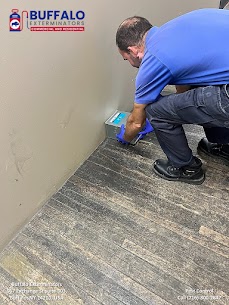
During removal, we suit up, set drop cloths, and isolate the area. A gentle vacuum collects stray bees while the main cluster is lifted by hand. We rubber band brood into frames inside a hive body. Honeycomb goes into buckets to prevent spills. The cavity is cleaned, wiped, and deodorized. We close the opening with sheathing or drywall, then perform exterior bee proofing on nearby gaps. Before leaving, we stage the hive box on site for a sunset pickup or load it immediately, depending on bee traffic. We offer prevention tips and, in many cases, a limited warranty against reinfestation at the same site if our repairs remain intact.
DIY, with judgment
Homeowners ask how to remove bees themselves. For swarms on low branches, an experienced gardener with a cardboard box and a veil can sometimes succeed. The margin for error is small. Shaking too hard or missing the queen means the cluster returns or spreads to multiple spots. For bees inside structures, DIY attempts often create bigger problems: cutting blindly into energized walls, missing secondary entrances, or collapsing honey into insulation.
Save DIY for observation and simple exclusion. Caulk gaps larger than a pencil eraser around windows and trim before swarm season. Install vent covers with proper louvers. Replace rotten fascia. If you see active flight, pause the repairs, and call a professional bee removal service. Live bee removal and structural bee removal are more art than recipe. The equipment is specialized and the cleanup is not trivial.
Species specific notes
Honey bees. Relocation should be the default. They are resilient and adaptable in a managed hive. Most professional bee removal outfits maintain apiaries or partner with beekeepers to rehome colonies.
Carpenter bees. Non-toxic control focuses on repairing and painting bare wood, filling old galleries with wooden dowels and a small amount of non-toxic filler, and installing traps that catch adults without baiting poisons. We also use jute or burlap strips under eaves to discourage hovering. If you want carpenter bee removal near decorative cedar, you will need a regular maintenance plan.
Bumble bees. Short season nests can sometimes be tolerated with a temporary fence or signage. If removal is necessary, we gently relocate the nest box and queen to a quieter corner of the property, ideally near clover.
Yellow jackets. They are not bees. For nests near high traffic doors or inside walls where they threaten occupants, professional control may include targeted treatments. There are non-toxic approaches such as vacuum capture for accessible aerial nests, but ground nests near play areas often require a different risk assessment. An honest bee control service will explain the options and limitations.
Aftercare matters as much as removal
The difference between a one time bee problem and an annual headache is often in the aftercare. Honeycomb removal is essential. Even a hand sized piece of wax left in a hot wall bay can liquefy and stain ceilings. Pheromones soaked into wood keep calling new swarms. I carry an enzyme deodorizer and a mild detergent for this reason. Beyond cleansing, replace any soaked insulation, let cavities dry, and restore vapor barriers where appropriate.
Exterior exclusion is your friend. Bees find and exploit quarter inch gaps along fascia, siding transitions, and where utilities penetrate walls. Use backer rod and a high quality sealant. Behind vents, add fine mesh that does not impede airflow. For chimneys, ensure caps are intact and screens are free of tears. A final walk around the house with a flashlight at dusk reveals light leaks that bees will find too.
Prevention that aligns with pollinator health
A property can be bee friendly without inviting colonies into the walls. Plant forage zones away from the house. Keep a water source in the far corner of the yard so bees do not fixate on the pool return. If you are in a frequent swarm corridor, consider a bait hive at the back fence. A simple deep box with a few old frames and a bit of propolis can intercept scouts before they pick your attic. Think of it as a bee relocation service you host, one that keeps colonies where they belong.
Routine maintenance remains the best bee pest control. Paint or seal raw wood, replace damaged soffit vents, and keep gutters from pulling away and creating attractive gaps. After a storm or reroofing project, walk the exterior and seal new openings. The cheapest bee removal is the one you never need.
Choosing a company you can trust
When you evaluate local bee removal experts, ask direct questions. Do they provide live bee removal and honey bee relocation, or do they subcontract extermination? Can they show proof of insured bee removal and licenses required in your area? What is included in the beehive removal service, specifically honeycomb removal and repairs? Do they offer a written warranty against reinfestation at the same point of entry? Can they handle residential bee removal and commercial bee removal with the right safety paperwork?
Response time matters. During peak season, the best bee removal service will triage swarms quickly and slot structural jobs within a few days. True 24 hour bee removal is rare and expensive, but a company should at least offer same day bee removal advice by phone and an after-hours stabilization for high risk cases. Finally, read the bee removal quote carefully. A low bid that excludes repairs and cleanup is not a fair comparison to a comprehensive bee extraction service.
Two brief case notes from the field
Spring warehouse wall. A logistics center reported bees entering a mortar gap 18 feet up. We staged a scissor lift at dawn, observed heavy pollen return, and mapped the cluster with thermal imaging. Because the interior wall held electrical conduit, we avoided a cut out. Instead, we built a trap out cone and mounted a brood bait box on Unistrut near the entrance. Over four weeks and three site visits, the workforce migrated. We then sealed the gap with lime mortar, washed the wall with warm water and vinegar, and added a stainless screen to the expansion joint. No chemicals, no disruption to operations.
" width="560" height="315" style="border: none;" allowfullscreen="" >
Elementary school swarm. A midday swarm landed on a play structure 90 minutes before recess. We asked the principal to move classes indoors and roped off a 100 foot buffer. A ladder, a nuc box, and one gentle shake put the cluster into the box. We observed marching, replaced the lid, and left the box in shade for an hour to collect stragglers. By pickup, only a handful of bees remained in the air. The colony joined a teaching apiary that evening. That is safe bee removal at its simplest.
A simple prep list for your appointment
- Clear a 10 foot path to the work area, including attic hatches or crawlspace doors. Move vehicles and outdoor furniture away from the flight path. Tell neighbors about the appointment so they can keep pets indoors. Identify sensitive individuals on site who need extra distance. Set aside a small area for tool staging and cleanup.
These steps shave time off the job and reduce surprises.
A practical path to coexistence
Organic bee removal is not idealism, it is effective property management informed by biology. When you remove bee colonies safely, relocate them, and restore structures with care, you end up with a clean wall and a healthier local ecosystem. Whether you need to remove bees from a roof, soffit, wall, or tree, there is almost always a humane path that avoids toxins. It may take a bit more planning and, sometimes, a higher upfront bee removal cost, but it prevents the chain of problems that follow extermination.
If you are facing a bee problem, start with clear observation, resist the urge to spray, and call a professional who treats live bee removal as the default. Ask for a thorough bee removal inspection, a written scope that includes honeycomb removal and repairs, and a timeline that matches the situation. With the right team, even complex inside wall bee removal or beehive removal from attic spaces becomes a measured, non-toxic project rather than a crisis.